
Volunteer Friendly Sound Systems for Churches
For many churches, the sound system isn’t run by full-time audio engineers—it’s operated by volunteers who generously give their time to serve. While their heart is in the right place, overly complex audio systems can quickly turn Sunday services into stressful experiences.
A volunteer-friendly sound system isn’t about cutting corners. It’s about smart design, simplicity, and reliability—so your team can focus on worship, not troubleshooting.
At Zamar Media Solutions, we’ve worked with churches of all sizes across Northern California for over 30 years, and one thing is consistent: the best systems are the ones volunteers aren’t afraid to touch.
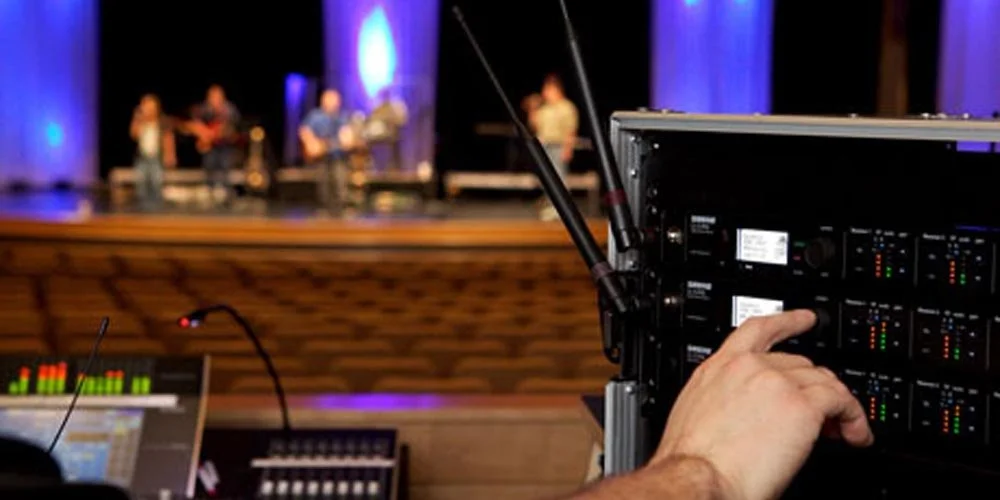
Why Complexity Hurts Volunteer Teams
Modern audio gear is powerful—but power without clarity creates problems.
Common issues we see in churches:
Too many knobs, sliders, and menus
No clear “starting point” for volunteers
Settings accidentally changed week to week
Inconsistent sound between services
Fear of touching the system at all
When volunteers feel unsure, they either avoid making adjustments—or make big ones that cause feedback, distortion, or silence at the worst moment.
A volunteer-friendly sound system is intentionally designed around repeatability and protection, not just features.
1. Presets That Just Work
Digital mixers allow services to start with a known, tested setup every time. Volunteers can recall a preset labeled:
“Sunday Worship”
“Youth Night”
“Guest Speaker”
No guesswork. No rebuilding the mix from scratch.
2. Simple Control Surfaces
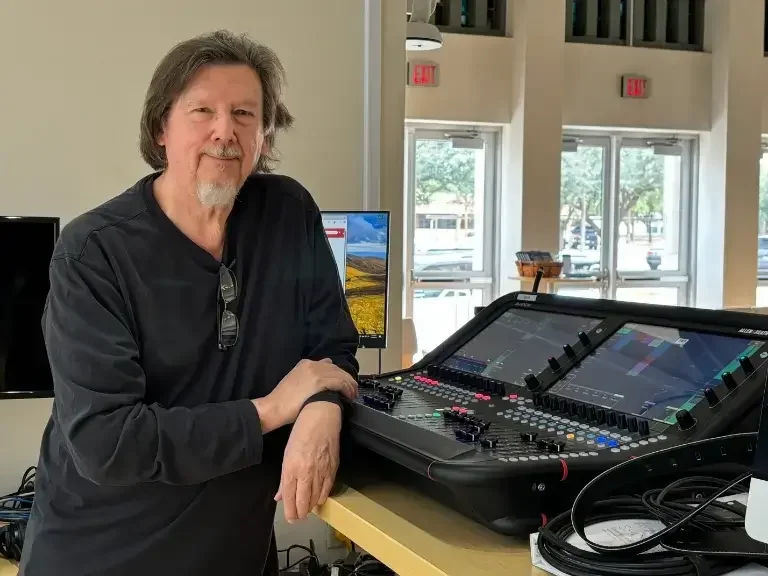
Touchscreens or tablets with clean layouts are often easier than racks of hardware. Fewer visible controls = fewer opportunities for mistakes.
Many churches benefit from:
Locked admin settings
Limited volunteer access
Clear labels instead of technical jargon
3. Consistent Microphone Choices
When every mic behaves differently, volunteers struggle.
Standardizing microphones for:
Pastors
Vocalists
Readers
Musicians
…helps volunteers know exactly what to expect when someone steps up.
4. Feedback-Resistant Design
Good system design minimizes feedback before it becomes an issue:
Proper speaker placement
Correct mic selection
Clean signal routing
Smart EQ and compression
This reduces panic moments and builds volunteer confidence.
5. Clear Training (That Doesn’t Overwhelm)
Volunteers don’t need a manual—they need confidence.
Effective training focuses on:
What not to touch
How to make small adjustments safely
What to do when something sounds wrong
When to ask for help
Simple reference guides and quick refreshers go a long way.
Designing for Sundays, Not Sound Engineers
The best church sound systems are built around real-world use:
Different volunteers every week
Limited rehearsal time
Live services with no second takes
Varying room acoustics depending on attendance
A volunteer-friendly system assumes mistakes will happen—and designs guardrails around them.
Long-Term Benefits for Churches
When your sound system supports volunteers instead of intimidating them:
Fewer Sunday morning emergencies
More volunteers willing to serve
More consistent worship experiences
Less wear and tear on equipment
Lower long-term maintenance costs
Most importantly, it removes distractions so congregations can stay focused on the message.
How Zamar Media Solutions Approaches Church Sound Systems
With decades of experience serving churches, nonprofits, and worship spaces, Zamar Media Solutions designs systems that are:
Easy to operate
Easy to maintain
Scalable as churches grow
Built for real volunteers—not audio pros
We believe technology should support ministry, not complicate it.
Got Questions?
schedule a church audio consultation
Final Thought
A great church sound system isn’t the most expensive or the most complex—it’s the one that works every Sunday, no matter who’s behind the controls.
If your volunteers feel confident, your services will sound better. Every time.
Local FAQ: Church Sound Systems in Northern California
Q: Do Bay Area churches need different sound system designs than other regions?
Yes. Many Bay Area churches meet in older buildings, multipurpose spaces, or facilities with unique acoustics. A volunteer-friendly system must account for reflective rooms, high ceilings, and flexible layouts common in Northern California churches.
Q: How can San Jose churches support volunteers with limited tech experience?
San Jose churches often rely on rotating volunteer teams. Clear labeling, locked presets, and simplified control interfaces help volunteers confidently run sound without technical backgrounds.
Q: Can a volunteer-friendly sound system handle both worship bands and spoken word?
Absolutely. Properly designed systems use presets and consistent mic choices so volunteers can easily switch between sermons, worship teams, guest speakers, and special events.
Q: Are volunteer-friendly sound systems scalable as churches grow?
Yes. A well-designed system allows churches to start simple and expand over time—adding inputs, monitors, streaming, or overflow audio without retraining volunteers from scratch.
Q: How often should Bay Area churches have their sound systems reviewed or tuned?
Most churches benefit from an annual review, especially as volunteer teams change or rooms are repurposed. Seasonal tuning helps maintain clarity and prevents small issues from becoming Sunday-morning problems.